Habitat Design
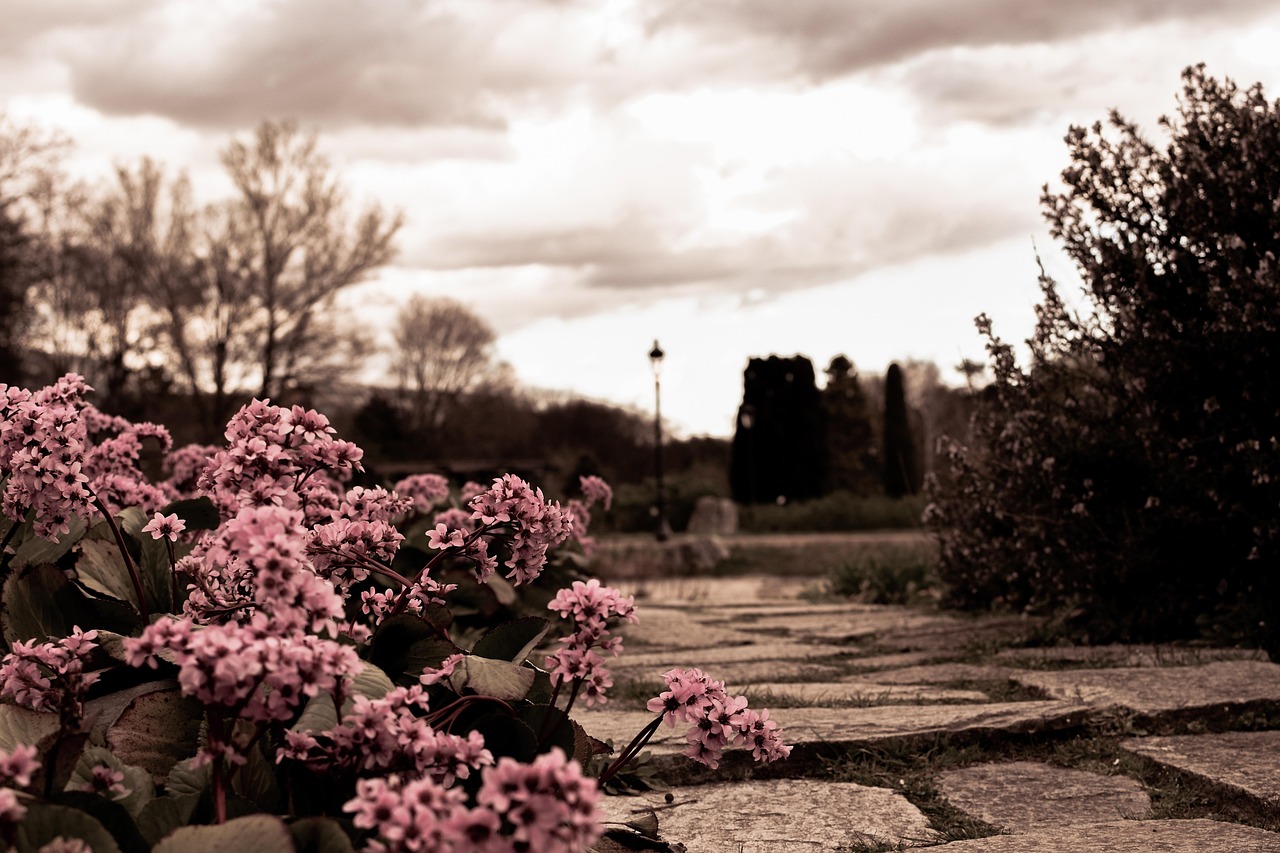
Look at the strip of grass between the sidewalk and the curb in almost any city, and you will see wasted space. It is mowed, sprayed, and ignored, a green ribbon that offers nothing to wildlife. But that same strip, often called a parking strip or verge, can be one of the most powerful pieces of habitat in an urban neighborhood. It is the connective tissue between yards, the place where a hummingbird moving through the city is most likely to pause.
The parking strip has a reputation for being difficult. It is hot, compacted, often salted in winter, and occasionally trampled. But these challenges are surmountable, and the payoff is a continuous ribbon of flowers that links one garden to the next. When several neighbors plant their strips, the effect is transformative. Suddenly the block has a pollinator corridor, a hummingbird highway running right along the street.
The key to a successful parking strip is choosing plants that stay low, tolerate heat and foot traffic, and bloom generously. Native groundcovers and short perennials are your best allies. Creeping thyme, self-heal, and native violets form dense mats that suppress weeds and offer early-season nectar. For height, stick to compact selections: dwarf penstemon, small salvias, and low-growing agastache. These plants give hummingbirds the tubular flowers they need without blocking the sidewalk or flopping into the street.
Avoid anything tall, spiky, or fragile. Ornamental grasses may look lovely, but they offer nothing to hummingbirds and tend to flop after a rain. Instead, think in terms of a living carpet with occasional bursts of color. A mix of red, orange, and purple flowers will catch a hummingbird's eye from above, and the low profile keeps the strip tidy and walkable. If your city has rules about parking strip plantings, check them first. Many municipalities allow low plants under a certain height, and some even offer rebates for removing turf.
The real magic of a parking strip garden is social. When one neighbor replaces grass with flowers, others notice. A conversation starts over a hedge. Someone asks what that red flower is, and suddenly there are three more strips being planted down the block. This is how habitat grows in cities, not from a single grand gesture but from a hundred small ones, each one extending the reach of the last.
You do not need permission to start small. Begin with a few plants at the edge of your own strip and see what happens. Water them through the first summer, and by the second year they will need almost nothing from you. The hummingbirds will find them. So will the bees, the butterflies, and the neighbors walking their dogs. A parking strip will never be a wilderness, but it can be a thread. And enough threads, stitched together, make a landscape.
