Native Plants
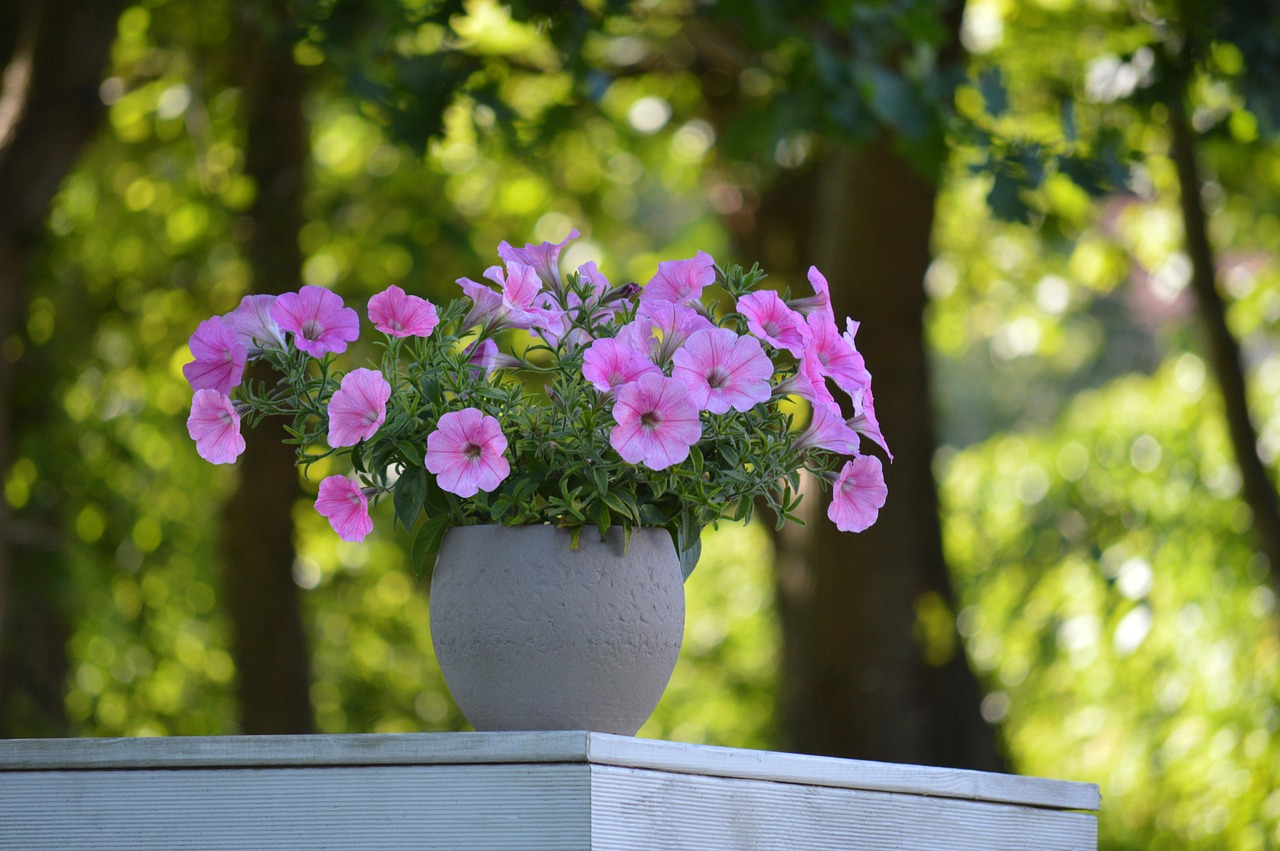
One of the most persistent myths about hummingbird gardening is that it requires acreage. It doesn't. Some of the most visited hummingbird gardens I've seen were little more than a handful of pots clustered on a fire escape or a sunny apartment balcony. What matters isn't the size of the space—it's the density and choice of plants.
Hummingbirds are visual hunters of nectar. They learn quickly which flowers pay off, and they return to them again and again. When you garden in containers, your job is to make every pot count. A single salvia in a two-gallon pot can draw more visits than a sprawling bed of the wrong plants.
The first rule of container gardening for hummingbirds is to think vertically. Hummingbirds hover, back up, and dart sideways, so they appreciate flowers held at different heights. A tall spike of salvia or a trellised native honeysuckle gives them a landing approach, while lower-growing cuphea and penstemon fill in the middle story. Even in a small footprint, you can create a layered little habitat.
Drainage matters more than most people expect. Hummingbird-friendly plants tend to be vigorous, and vigorous plants rot in soggy soil. Use pots with real drainage holes, and don't skip the gravel or broken-pot shard layer if your container is deep. A quality potting mix that holds moisture without staying saturated is ideal.
Annual salvias are workhorses. They bloom for months, tolerate heat, and come in reds, corals, and purples that hummingbirds find irresistible. Cuphea—sometimes called cigar plant or bat-faced cuphea—is another standout, especially in warm climates where it can bloom nearly year-round. Its tubular flowers are perfectly shaped for a hummingbird's bill.
If you have a trellis or railing, consider native honeysuckle. It's not the invasive Japanese variety; look for coral honeysuckle, which is well-behaved and produces clusters of tubular blooms. It gives hummingbirds a natural perch and a reliable nectar source in spring.
Don't overlook flowering herbs. Pineapple sage is a late-season favorite, often blooming into autumn when other plants have faded. Its scarlet flowers are a magnet, and the leaves smell like pineapple when crushed. Agastache, or hummingbird mint, is another perennial that performs beautifully in containers and returns year after year in mild climates.
Container gardens dry out faster than in-ground beds, so consistent watering is essential. A wilting plant stops producing nectar. Mulching the surface of your pots with an inch of compost or fine bark helps hold moisture and keeps roots cool.
Deadheading is the other secret. The more you remove spent blooms, the more energy the plant puts into new flowers. A weekly pass with a pair of snips keeps the nectar flowing.
Finally, group your pots. A cluster of five or six containers creates a micro-habitat—shade for the soil, humidity around the leaves, and a concentrated food source that hummingbirds will notice from a distance. Add a small saucer of water with a few pebbles for perching, and you've built a complete little world on a balcony. The birds don't care that it's small. They only care that it's full.
