Seasonal Care
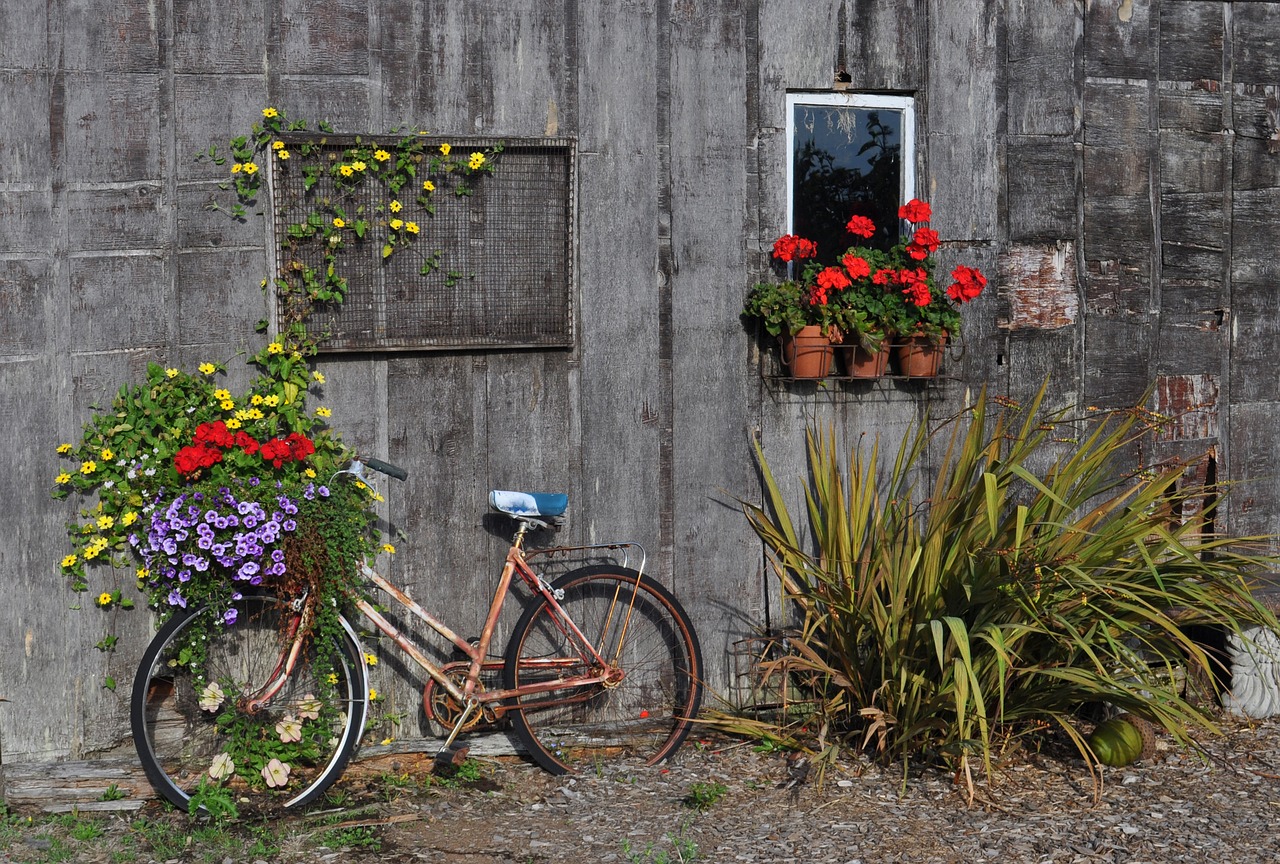
Urban gardening for wildlife often feels like a compromise. You have a windowsill, a fire escape, maybe a small balcony—hardly enough to call habitat. But hummingbirds don't measure in square feet. They measure in resources: Is there food? Is there water? Is there a place to rest? A window box can answer all three.
During migration, hummingbirds travel hundreds of miles, often alone, often at night. They need to refuel frequently. A well-planted window box, especially one that's part of a larger network of urban plantings, can be a critical pit stop. It's not a home, but it's a lifeline.
The key is to choose plants that produce a lot of nectar in a small space. Annual salvias are ideal—they bloom continuously, they're compact, and they're irresistible to hummingbirds. Cuphea is another winner, especially in warm, sunny windows. Its tubular flowers are perfectly suited to a hummingbird's bill, and it blooms from summer into fall.
If your window gets partial shade, consider fuchsia. It's not native to most of North America, but it's a reliable nectar source and it thrives in containers. Native columbine is another option for shadier spots, though its bloom time is shorter.
A window box that's packed with flowers looks lovely, but hummingbirds need a little breathing room. Leave some space between plants so they can hover without hitting leaves. A mix of heights—tall spikes in the back, mounding plants in the front—gives them multiple approach angles.
Water is trickier in a window box. A small saucer tucked into the corner, refreshed daily, can work. Add a few pebbles so bees and butterflies can land safely. If you have room for a tiny solar fountain, even better—the sound of moving water attracts hummingbirds from a distance.
Perches matter, too. A window box doesn't offer much in the way of branches, but a simple wooden stake or a small trellis can give hummingbirds a place to sit. They especially like a bare, horizontal perch where they can survey the area.
Don't forget the insects. Hummingbirds need protein, and a window box that supports small spiders and insects is more valuable than one that's sprayed clean. Avoid pesticides entirely. If aphids show up, blast them with water or introduce ladybugs.
A single window box is a start, but it's most effective when it's part of a connected network. Talk to your neighbors. If the building next door has a balcony, encourage them to plant a few hummingbird-friendly flowers. If there's a community garden nearby, suggest a hummingbird corner. The more stepping stones, the better.
Even street trees can help. If your city plants trees, ask for native species that support insects—oaks, willows, and cherries are all good choices. They provide nesting sites and insect prey for hummingbirds, even if they don't produce nectar.
The city is full of edges and corners that could be habitat: parking strips, rooftops, alleyways, and yes, window boxes. Each one is a small opportunity. Hummingbirds are resilient, and they'll use whatever we give them. A window box isn't a wilderness, but it's a start. And in a city, a start is everything.
