Container Gardening
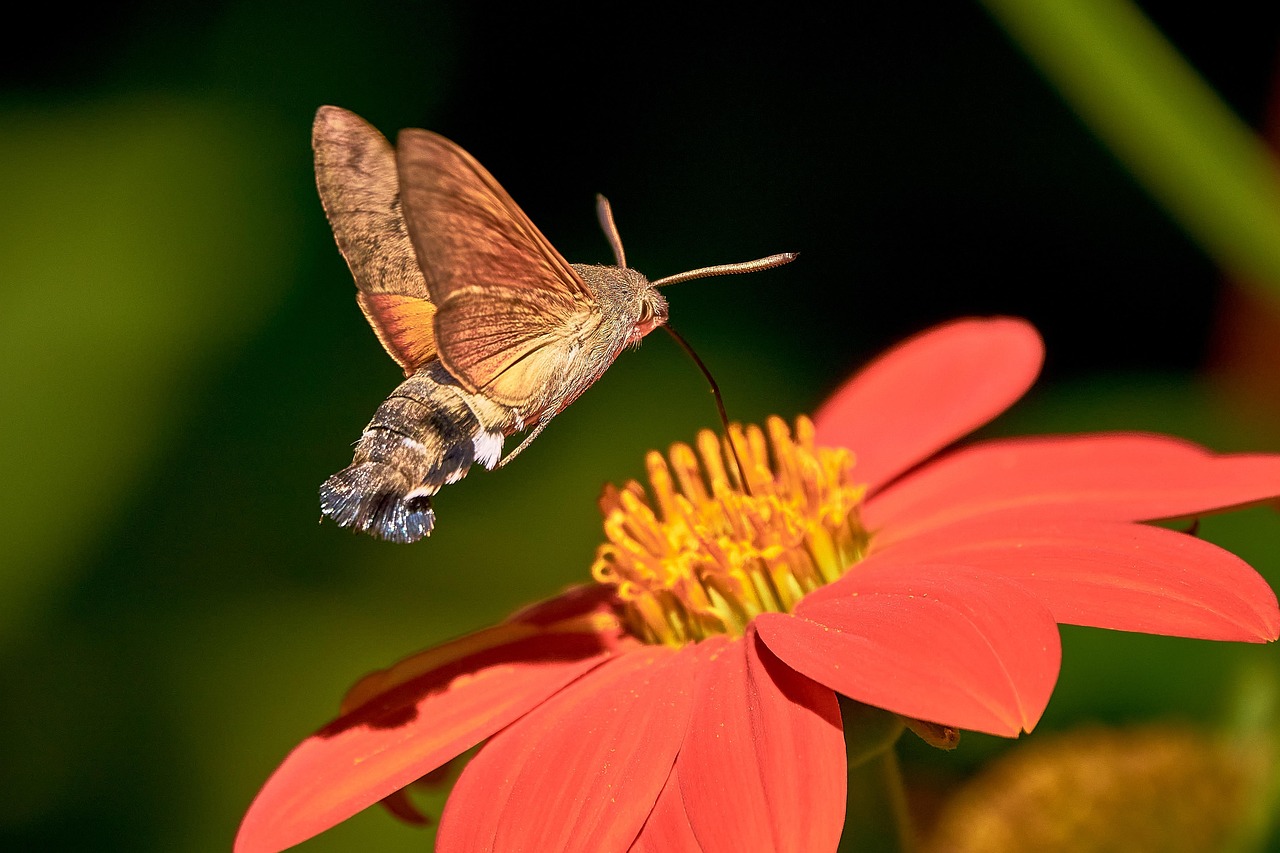
When people picture hummingbird gardening, they usually imagine a sprawling country yard with meadows of bee balm and a porch swing. But some of the most rewarding hummingbird habitat I have ever seen was a fourth-floor apartment balcony barely wider than a dining table. The trick is not space. It is understanding what a hummingbird actually needs when it pauses in a city: a quick, safe, calorie-dense meal.
Hummingbirds migrating through urban corridors are running on fumes. They burn energy at a rate that would exhaust a marathon runner, and every stop they make is a gamble on whether they will find flowers, insects, and a safe perch. A balcony garden will not replace a wild meadow, but it can become a reliable link in a chain of stepping stones that carries birds through a concrete landscape. That is the idea behind what I like to call the hummingbird highway.
On a balcony, every pot has to earn its place. Skip anything that blooms briefly or offers little nectar. Instead, favor plants known for heavy, long-lasting nectar production and tubular flowers shaped for a hummingbird's bill. Salvias are the workhorses here, especially varieties like 'Black and Blue' and autumn sage, which bloom for months and tolerate containers well. Cuphea, sometimes called cigar plant, is another gem, producing small tubular flowers almost nonstop in warm weather. Add a trailing plant like lantana for spillover color, and you have a trio that will keep birds returning from spring through fall.
Height matters more than you might think. Hummingbirds approach flowers from above and prefer to feed with a clear escape route, so elevate your pots on railings, shelves, or hanging brackets rather than lining them up on the floor. A tiered arrangement, tall salvias in back, medium cuphea in the middle, and trailing lantana spilling forward, mimics the layered edge habitat hummingbirds gravitate toward in the wild. If your balcony gets strong afternoon sun, choose the sunniest corner for the nectar plants and keep a partially shaded spot for a small water feature or a resting perch.
City balconies come with hazards that a backyard does not: reflective glass, strong updrafts, and sometimes neighborhood cats. A few simple adjustments make a big difference. Place a lightweight perch, like a bare branch or a small trellis, a few feet from the flowers so birds can rest and survey the area before feeding. If your railing is glass or highly reflective, consider adding decals or a strip of opaque tape to reduce collisions. And if cats patrol nearby rooftops, keep feeders and flowers toward the inner edge of the balcony where birds have room to maneuver.
You do not need a feeder to attract hummingbirds, but a small one can bridge the gap between bloom cycles. Keep the sugar water fresh, especially in heat, and clean it every couple of days. The real magic, though, happens when the plants take over. Once your salvias settle in and the cuphea starts pumping out flowers, you may notice the same bird returning at the same time each day, hovering at the railing as if checking whether its reservation is still good. That tiny, repeated visit is the whole point: a thread of wildness strung across the city, one balcony at a time.
